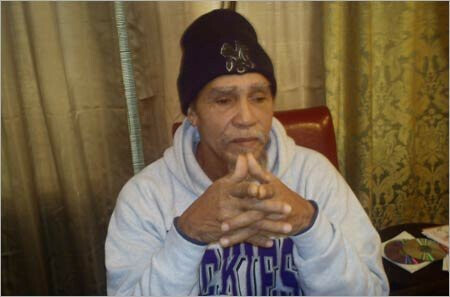
Bobby Kalphat is a Jamaican keyboardist, melodica player, composer and record producer who began recording in the mid-1960s. He is best known for his contributions to ska, rocksteady, roots reggae and dub, as well as for his work with numerous Jamaican producers and musicians. Despite his involvement in many significant recordings, he has remained a relatively obscure figure in reggae history.
Kalphat grew up in Rockfort, eastern Kingston, before moving to the Tower Hill and Waterhouse area. Initially interested in singing, he turned to the piano after meeting jazz musician Mickey O’Brien. He studied music theory and obtained a certificate from the Royal School of Music. His early professional experience included playing with Bobby Aitken and the Carrib-Beats, Lynn Taitt and the Comets, Tommy McCook's Supersonics and Roland Alphonso. He also worked at Studio One during the late 1960s, alongside musicians including Leroy Sibbles, Sly Dunbar and Robbie Shakespeare.
In 1968, Kalphat produced his instrumental Rhythm & Soul on his own Soul Sounds label. The recording, made at Federal Records, established his interest in instrumental reggae and keyboard-led arrangements. He also recorded Blacker Black during the same session. Inspired by Jackie Mittoo, whom he considered his favourite keyboard player, Kalphat developed a style combining melodic sophistication with the rhythmic feel of Jamaican dance music. He also became an early exponent of the melodica in Jamaican popular music.
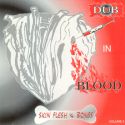
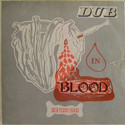
During the late 1960s and 1970s, Kalphat worked extensively as a session musician, contributing keyboards and melodica to recordings by artists and producers including Phil Pratt, Lee “Scratch” Perry, Horace Andy, Yabby You, Prince Far I and Willi Williams. He was also a member of the Roots Radics and played on recordings associated with the band's development. His keyboard credits include Horace Andy's In the Light and its dub counterpart, as well as material later collected on Dub in the Roots Tradition.
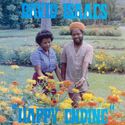
Kalphat maintained a long musical association with Willi Williams, who sang with his group Bobby & the Set-Takers. Their relationship continued over several decades, and Kalphat played on Williams' album Messenger Man. He also worked with Gregory Isaacs, including on recordings of Mr Brown, Top Ten and (Chunnie You're My) Number One, and toured with the Roots Radics backing Isaacs.
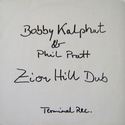
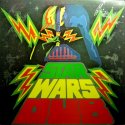
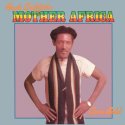
Alongside his work as a musician, Kalphat produced records through several independent labels, including Soul Sounds, Hit Vibes, Roots Rock, Jam Rock and Music Mania. His productions included Zion Hill (1977) and The War Is On Dub Style, an album associated with producer Phil Pratt. He also produced recordings featuring his then-wife Carol Kalphat, notably African Land, released through Prince Far I's Cry Tuff label, and Hold On to Jah. Under the name Musical Fowl, he recorded Star Fe the Show. Later productions included Shalom, featuring Luciano, released around 2004.
Kalphat's career was affected by the financial difficulties commonly experienced by Jamaican session musicians and independent producers. In an interview recorded in 2010 and published by Reggae Vibes in 2025, he explained that unpaid work and frustration with the music business led him to withdraw from recording during much of the 1980s. He also regretted discarding master tapes and stampers from some of his productions.
Bobby Kalphat's career illustrates the importance of Jamaica's often-uncredited studio musicians, whose instrumental contributions helped shape the sound of reggae during its formative decades. His work as a keyboardist, melodica player and independent producer remains of particular interest to collectors and researchers of Jamaican music.