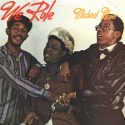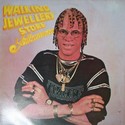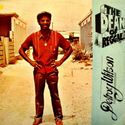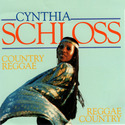
**Michael Riley**, also known as **Mikey Riley**, is a Jamaican recording and mixing engineer associated with the development of roots reggae and dancehall during the late 1970s and 1980s. He should not be confused with Michael Riley, the former vocalist of the British reggae band Steel Pulse.
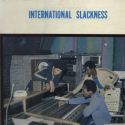
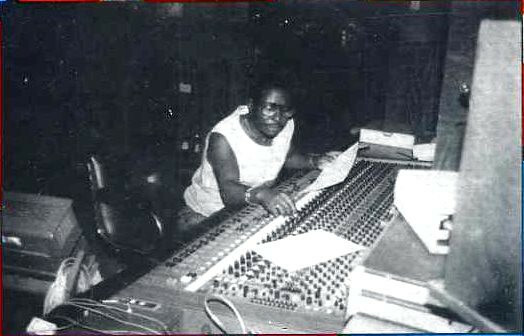
Riley worked extensively at **Dynamic Sounds Studio** in Kingston, one of Jamaica's major recording facilities. His credits document his involvement in recording and mixing sessions for a wide range of Jamaican artists, producers and labels, during a period when studio engineering played an increasingly important role in shaping reggae's sound.
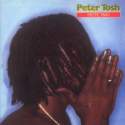
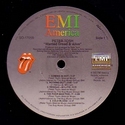
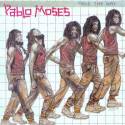
His engineering credits include Peter Tosh's *Mystic Man* (1979) and *Wanted Dread & Alive* (1981), both recorded at Dynamic Sounds. He also worked on Pablo Moses' *Pave the Way* (1981), contributing to sessions overseen by producer and arranger Geoffrey Chung. These recordings demonstrate his involvement in both internationally distributed reggae productions and Jamaica's roots reggae scene.
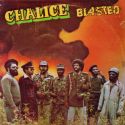
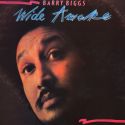
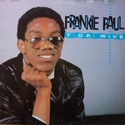
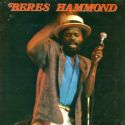
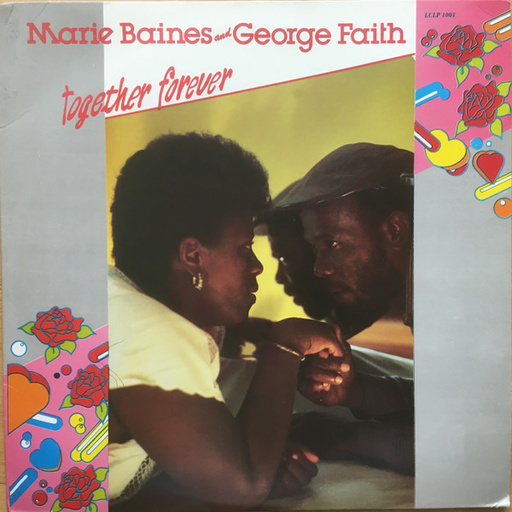
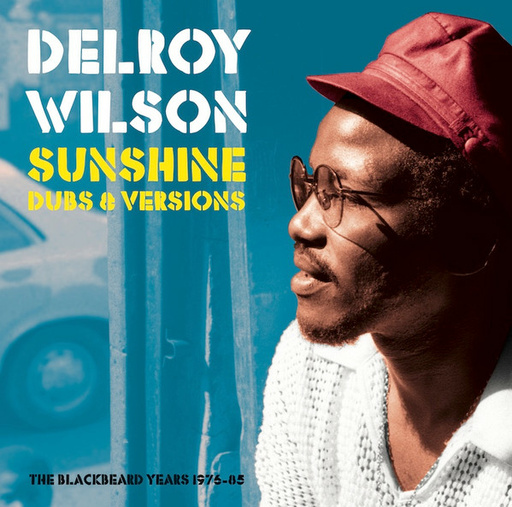
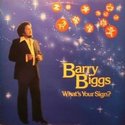
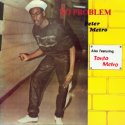
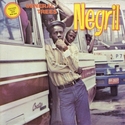
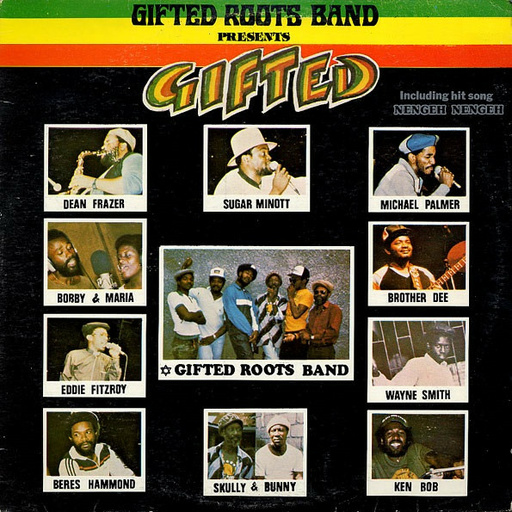
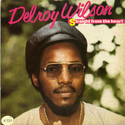
During the 1980s, Riley became associated with numerous dancehall and reggae releases. His credits include Barry Biggs' *What's Your Sign?* (1980), Chalice's *Blasted* (1981), Frankie Paul's *Strictly Reggae Music* (1984), Al Campbell's *Freedom Street* (1984), Beres Hammond's self-titled album (1985), and General Trees' *Negril* (1986). He also worked on recordings by Delroy Wilson, George Faith, Horace Martin and Peter Metro.
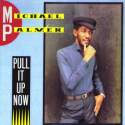
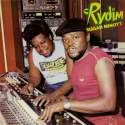
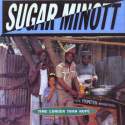
Riley frequently worked alongside other Jamaican engineers, including Geoffrey Chung, Noel Hearne, David Rowe, Peter Chemist and Oswald Palmer. His credits encompass recording, engineering and mixing, although his precise role varied from one production to another. He also contributed to later reggae projects, including recordings by Sugar Minott and the Wailers Band.
Although little biographical information about his personal life and early career is readily available, Michael Riley's extensive discography documents his contribution to Jamaican recording culture. His work at Dynamic Sounds and other studios places him among the engineers who helped shape the recorded sound of roots reggae and the transition to dancehall.