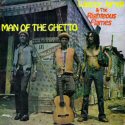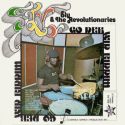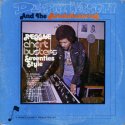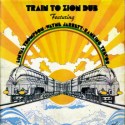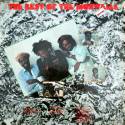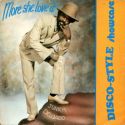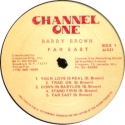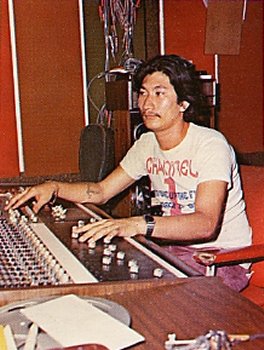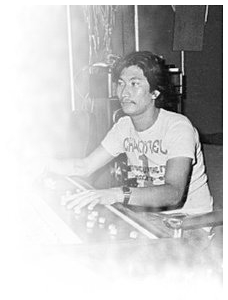
Born to parents of Chinese heritage, Ernest Hoo Kim grew up in the Maxfield Avenue area of Kingston.He was the one of four brothers (to Joseph, Paul and Kenneth), who during the 1960s were involved in the jukebox and slot machine industry. In 1970, after the Jamaican government declared the gambling games illegal, Joseph and Ernest decided to turn to the music business and launched a sound-system named Channel One.
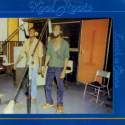
In 1972, impressed by the rootsy style of producer Bunny Lee, they decided to set up the Channel One Studios on Maxfield Avenue (West Kingston).Working on a four-track machine, Syd Bucknor became Lee's first sound engineer. One year later he was replaced by Ernest. By this time they also had their own pressing plant and label-printing workshop.
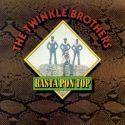
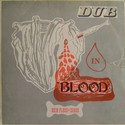
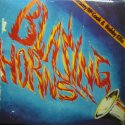
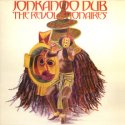
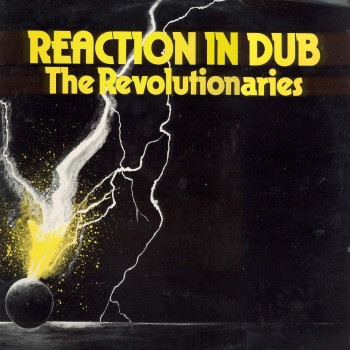
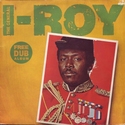
To gain experience, Hoo Kim decided to give every volunteer producer a free try. Working alongside the Hookims was the deejay I-Roy Though they produced some strong records (Don't Give Up the Fight by Stranger & Gladdy — their first production, I Dig You, Baby by Alton Ellis, and Leroy Smart's Blackman), they did not meet with success until the mid-1970s. The studio used a house band, the Revolutionaries, from 1975, based around drummer Sly Dunbar and bassist Robbie Shakespeare,and a rotating line-up of other players which included keyboard player Ansel Collins, and saxophonist Tommy McCook.[ Dunbar developed the studio's sound by initiating a clapping snare drum beat under certain bass notes, then moving flying cymbals on by doubling rim shots, playing a major role in developing the roots-heavy sound soon to be called "rockers".
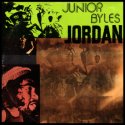
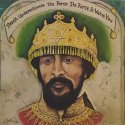
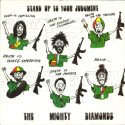
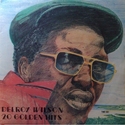
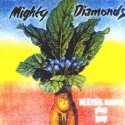
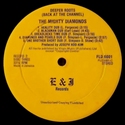
Channel One's biggest commercial success, "Right Time", by The Mighty Diamonds, was released in 1975, and included on the group's 1976's Hoo Kim-produced album of the same name. However, many other big names came to record in the studio: Leroy Smart, Delroy Wilson, Black Uhuru, Horace Andy, John Holt, Junior Byles, The Wailing Souls, and Dillinger, were a few of them.